Clinical questions
Start with a clinical question
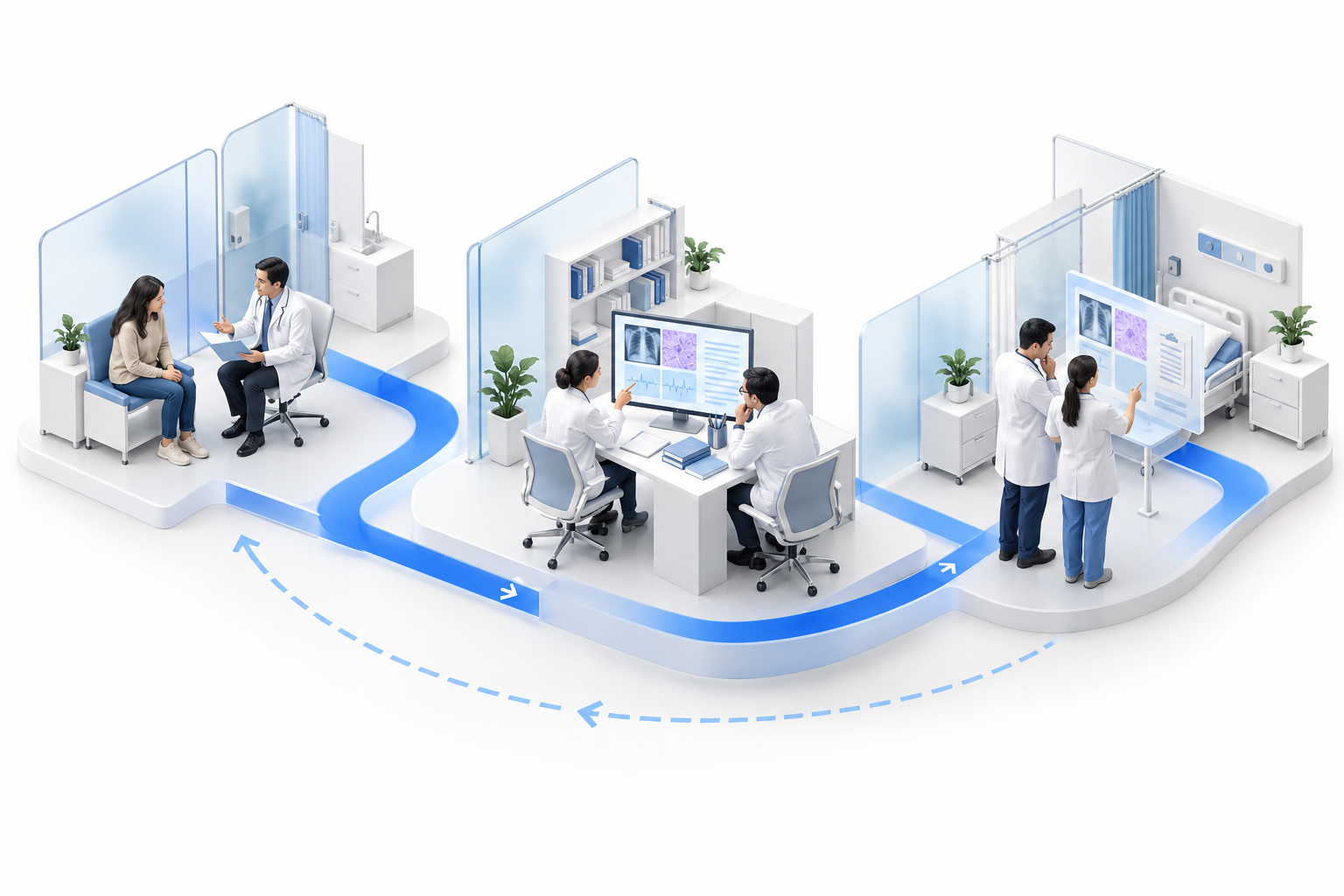
Where do decisions stall, and what information is missing? We define the question and evaluation criteria with clinicians.
Inha University · Digital Medicine
Starting with clinical questions, we study digital biomarkers from medical images, biosignals and electronic medical records (EMR), and develop AI to support clinical decisions and workflows.

Inha University · Digital Medicine
Translational
Medical Intelligence
Starting with clinical questions, we study digital biomarkers from medical images, biosignals and electronic medical records (EMR), and develop AI to support clinical decisions and workflows.
Our mission
TMI-lab studies how data and AI can address problems in clinical practice. Our motto, “From Too Much Information to Translational Medical Intelligence”, expresses our aim to turn abundant medical information into knowledge and technology that support care. Both phrases share the initials TMI, linking the lab’s name with its research direction.
Better predictions should lead to better clinical decisions. We connect imaging, biosignals and clinical records to address workflow bottlenecks, anticipate treatment outcomes and build evidence for individual care.
Clinical questions
Where do decisions stall, and what information is missing? We define the question and evaluation criteria with clinicians.
Data & methods
We design methods around anatomy, longitudinal change and the clinical context of each problem.
Clinical evaluation
We evaluate accuracy, uncertainty and performance on new data, then study how the results can inform care.
Translation
Coreline Soft · 2024
Earlier review for suspected brain hemorrhage
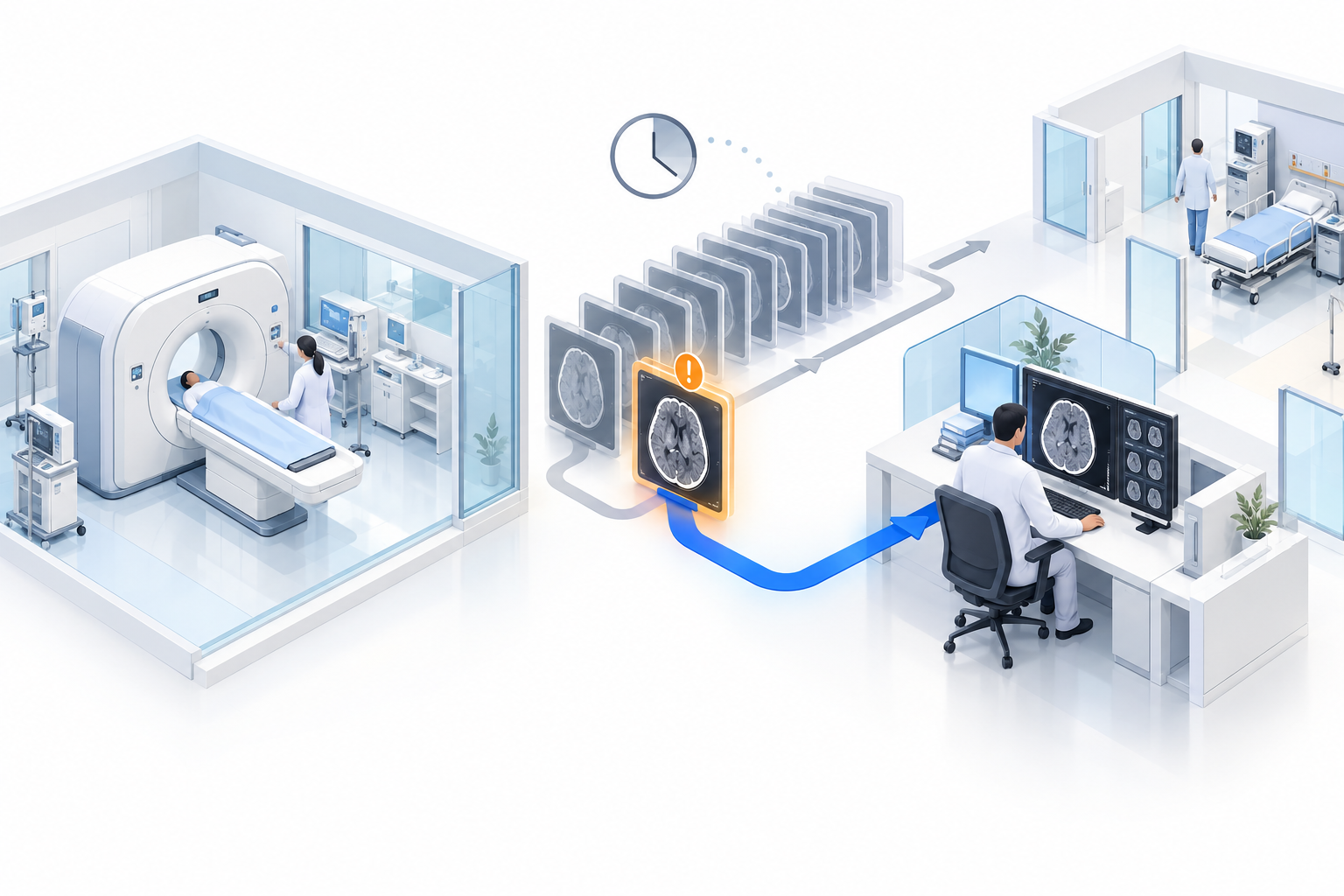
Analyzes suspected hemorrhage and its volume in brain CT to prioritize review. Image-based triage supports faster clinical decisions when timely treatment matters.
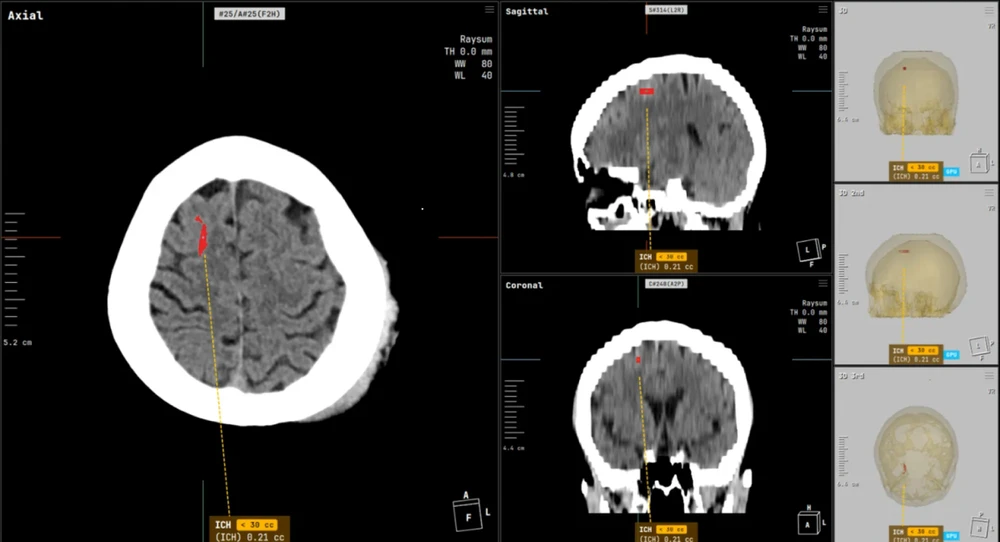
AVIEW NeuroCAD was first designated on 17 November 2020. This precedes the separate integrated review and innovative medical technology designation in 2023.
A June 2026 report records more than 50,000 cumulative uses as of April 2026. This measures product use, not the number of hospitals.
Hans Economy · 26 Jun 2026Pohang Semyung Christian Hospital has adopted NeuroCAD in emergency care. Alerts and quantitative findings from brain CT support clinicians’ initial review.
Daily Medi · 7 Apr 2026Product features and regulatory information: Coreline Soft
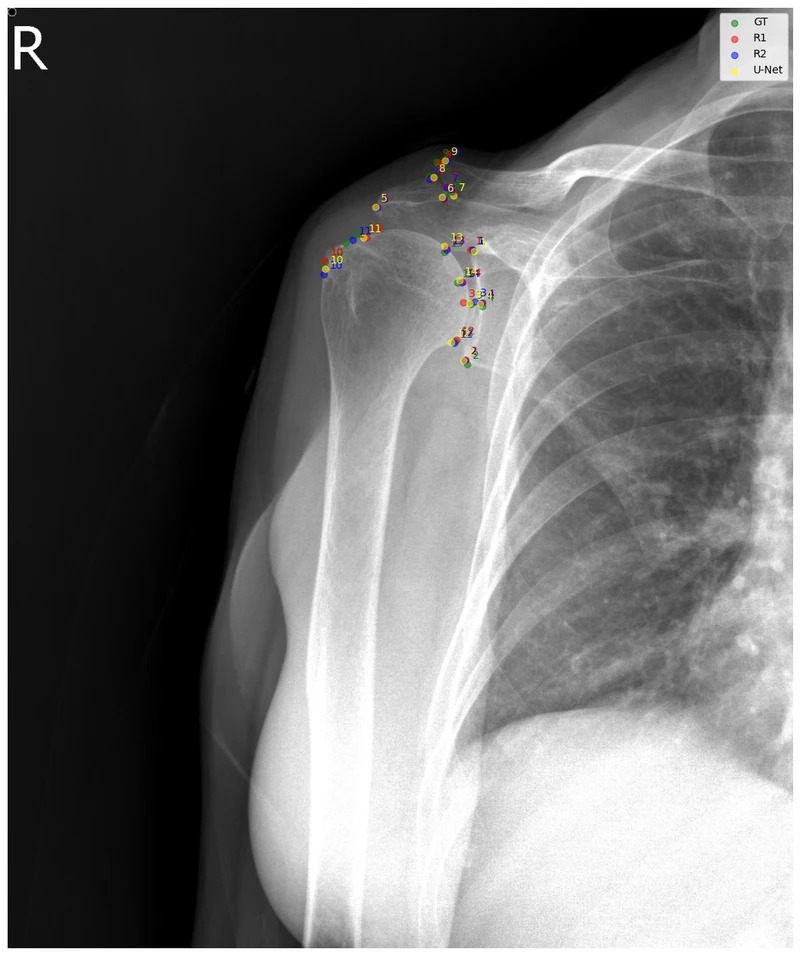
Evaluates Grashey X-ray positioning and quality to request an immediate retake from the radiographer when needed, enabling quality checks before the patient leaves the imaging room.
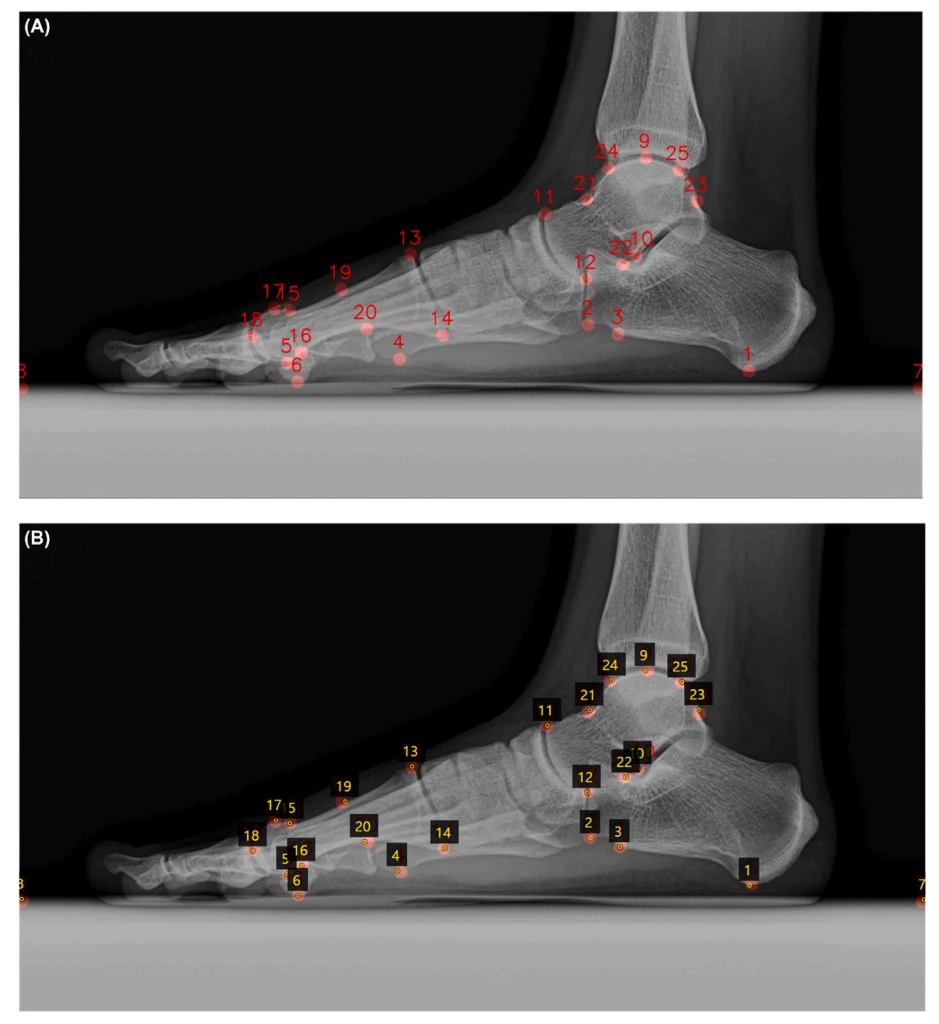
Detects landmarks on weight-bearing lateral foot X-rays. A comparative study found lower landmark errors than an orthopedic surgeon, supporting more consistent measurements for flatfoot assessment.
Read the comparative study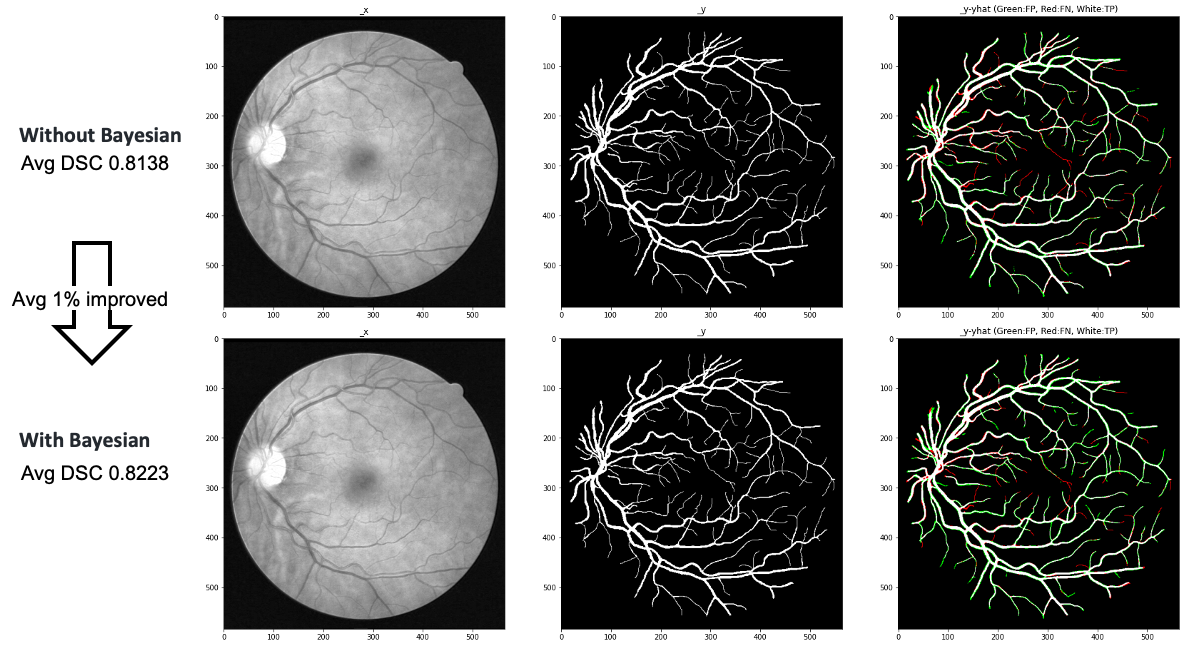
Uses Bayesian U-Net uncertainty to improve retinal vessel segmentation while assessing image quality, bringing the analysis and its reliability into the same model.
Image quality
GreyNet detects landmarks in Grashey X-rays to check positioning and quality, requesting an immediate retake from the radiographer when needed. Its purpose is to connect acquisition and quality assurance in one workflow.
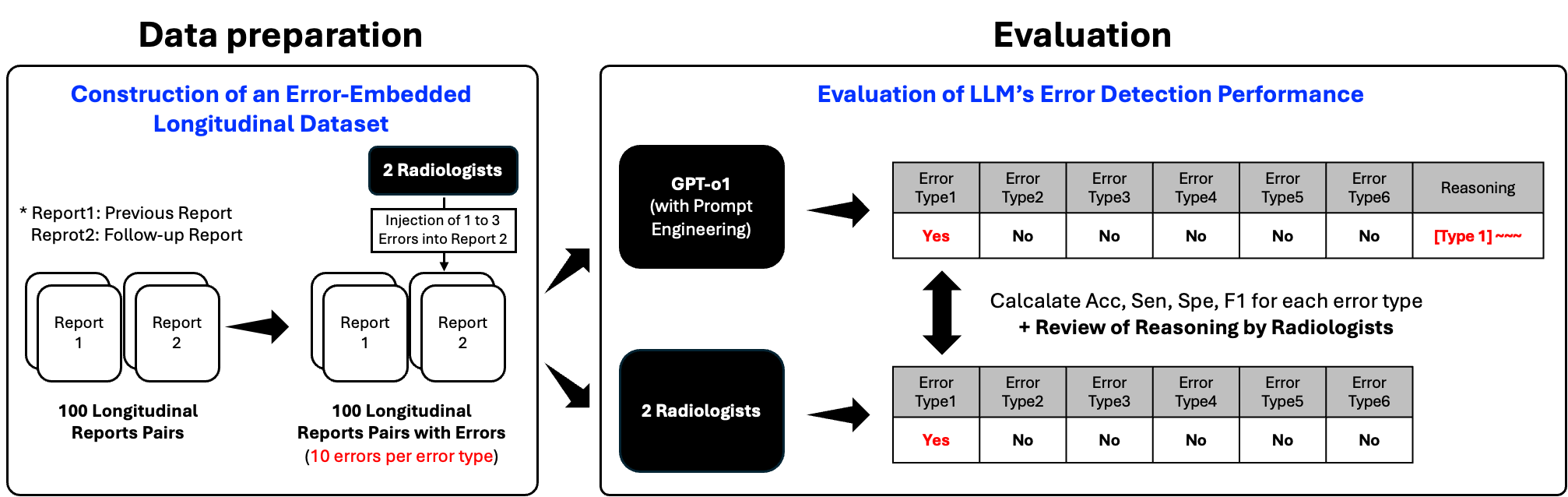
Read the studyHow can we spot changes that are easy to miss in radiology reports?
Research
From an AI output to the next clinical action
From acquisition and interpretation to record review, we study how AI can surface overlooked signals and repeated checks at the point where clinicians need them.
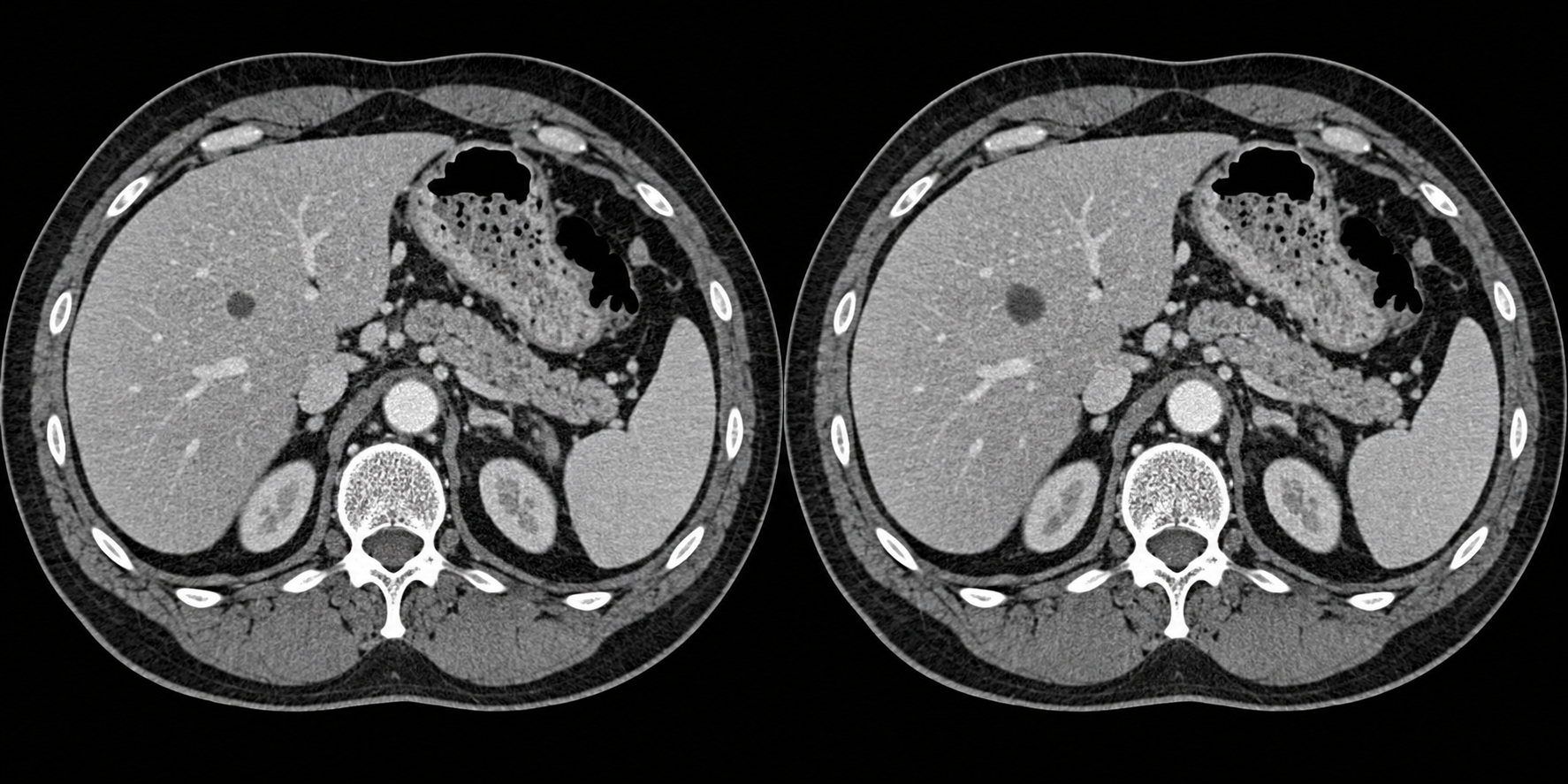
Illustrative CT comparison
This study evaluates errors between prior and follow-up reports. Error-specific performance and false positives are assessed before clinical use.
Research
Patient-specific models of what comes next
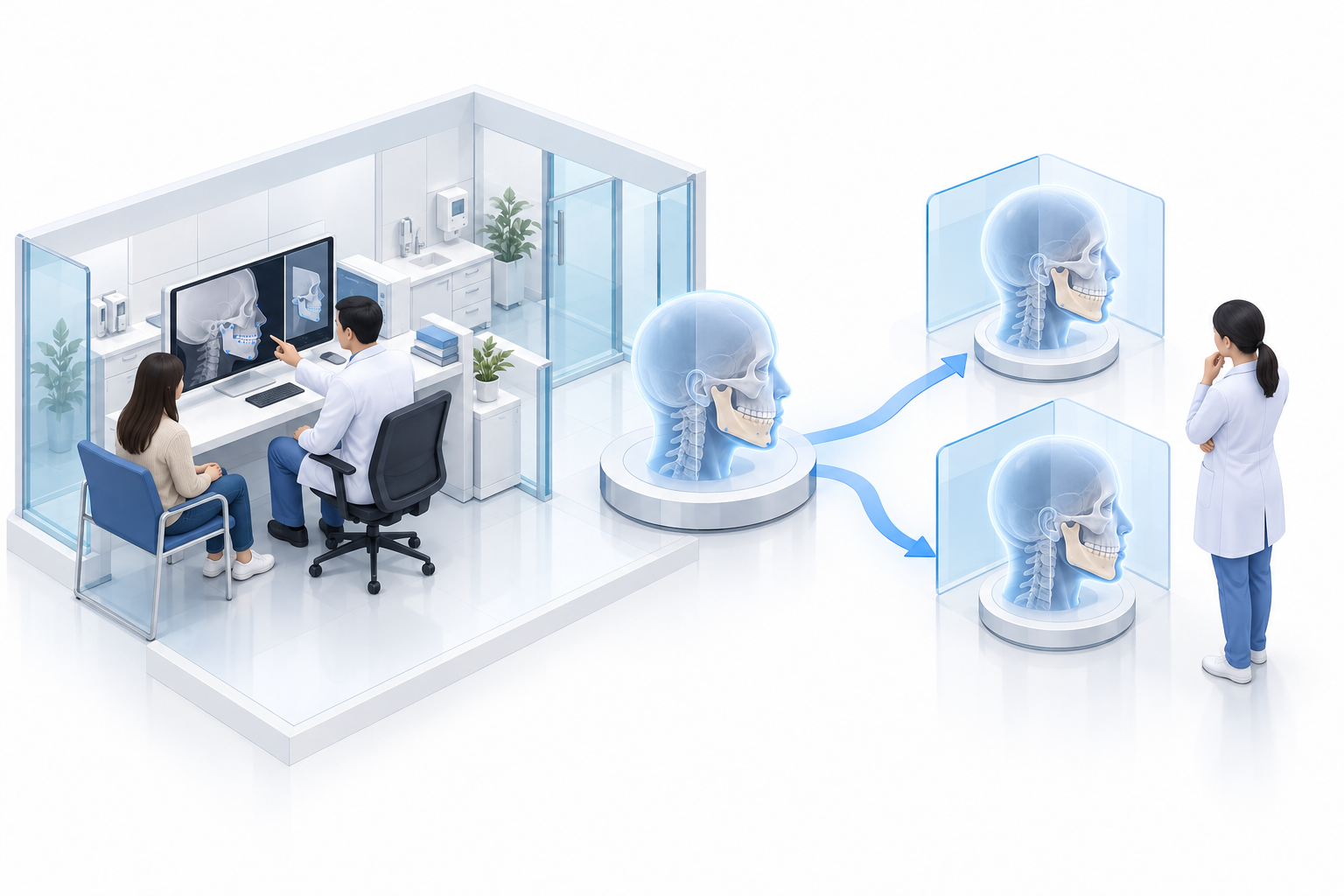
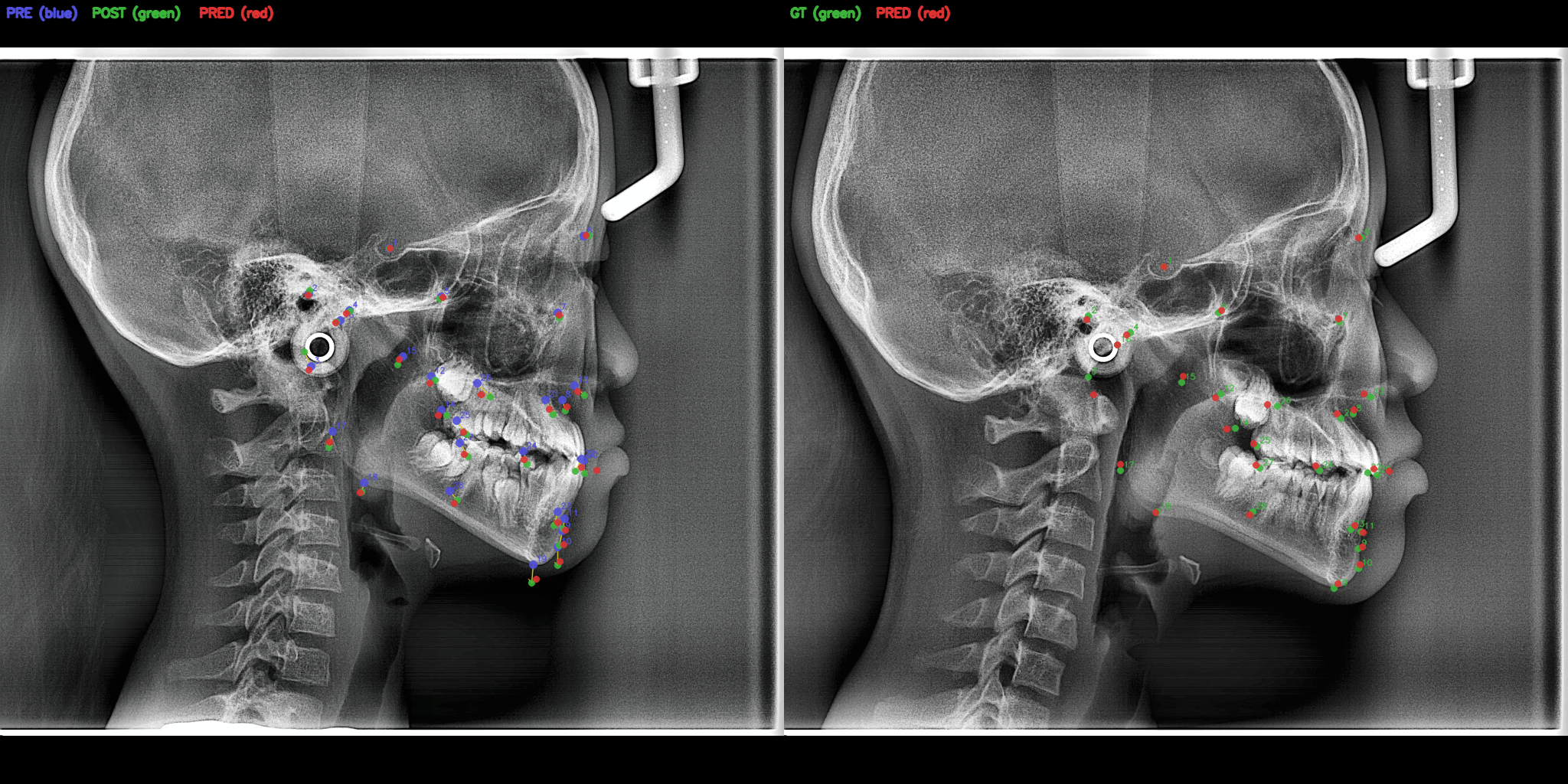
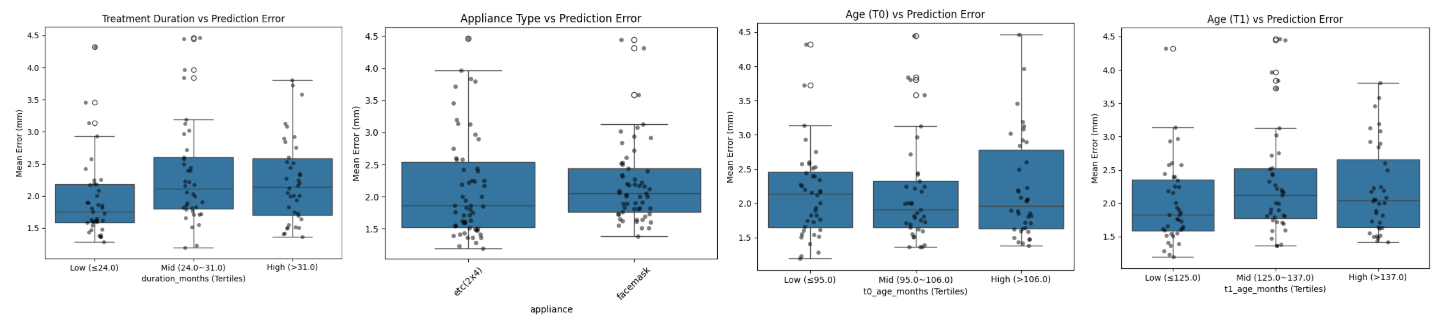
We model anatomy and its change over time. Building on growth-prediction research, we are extending this work toward surgical digital twins that predict postoperative states from preoperative images and clinical data.
Medical images compare baseline, observed follow-up and AI-predicted landmarks. This growth and orthodontic-treatment research is a foundation for extending prediction to surgical outcomes and treatment scenarios.
Research
Beyond a shared diagnosis, evidence for the individual
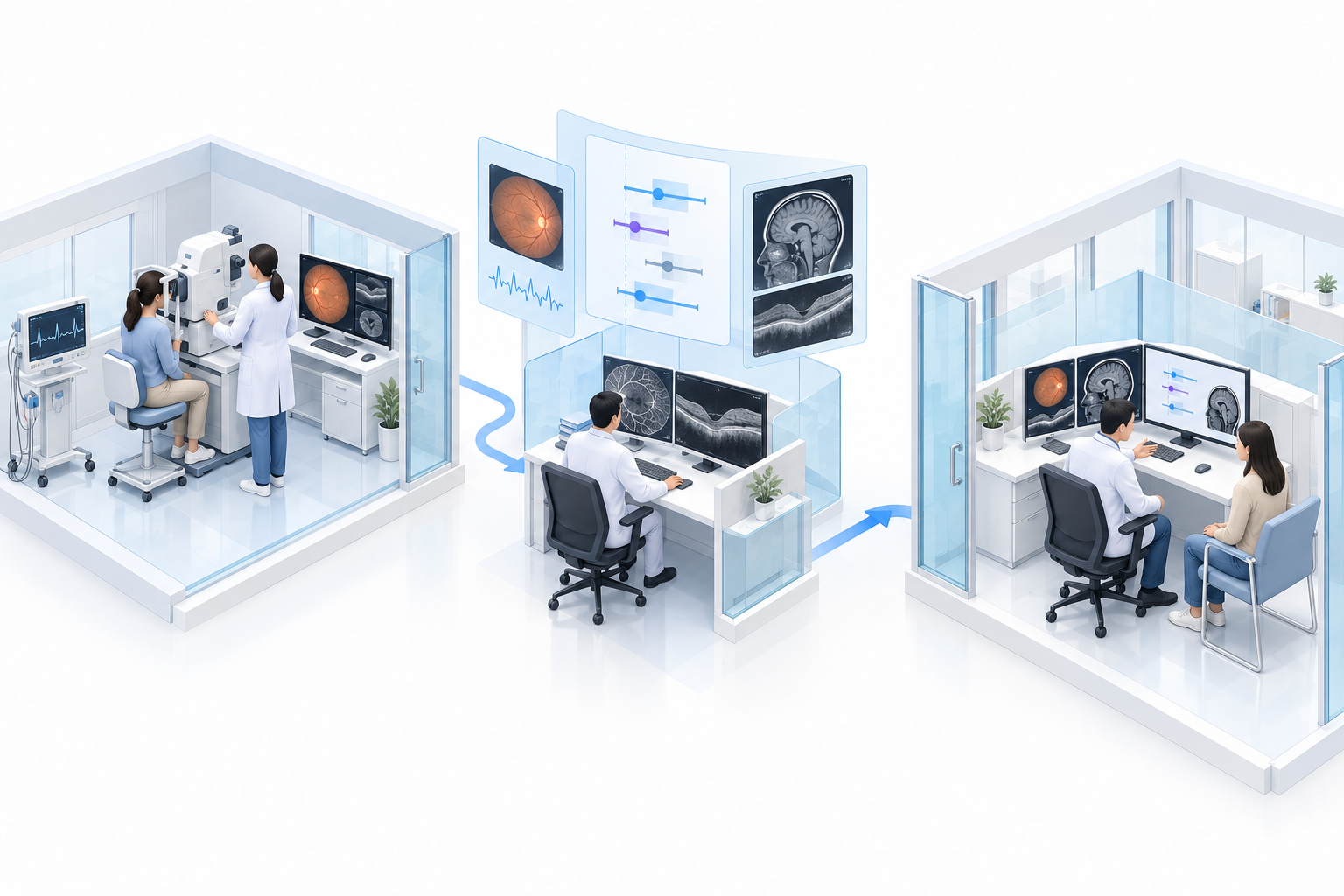
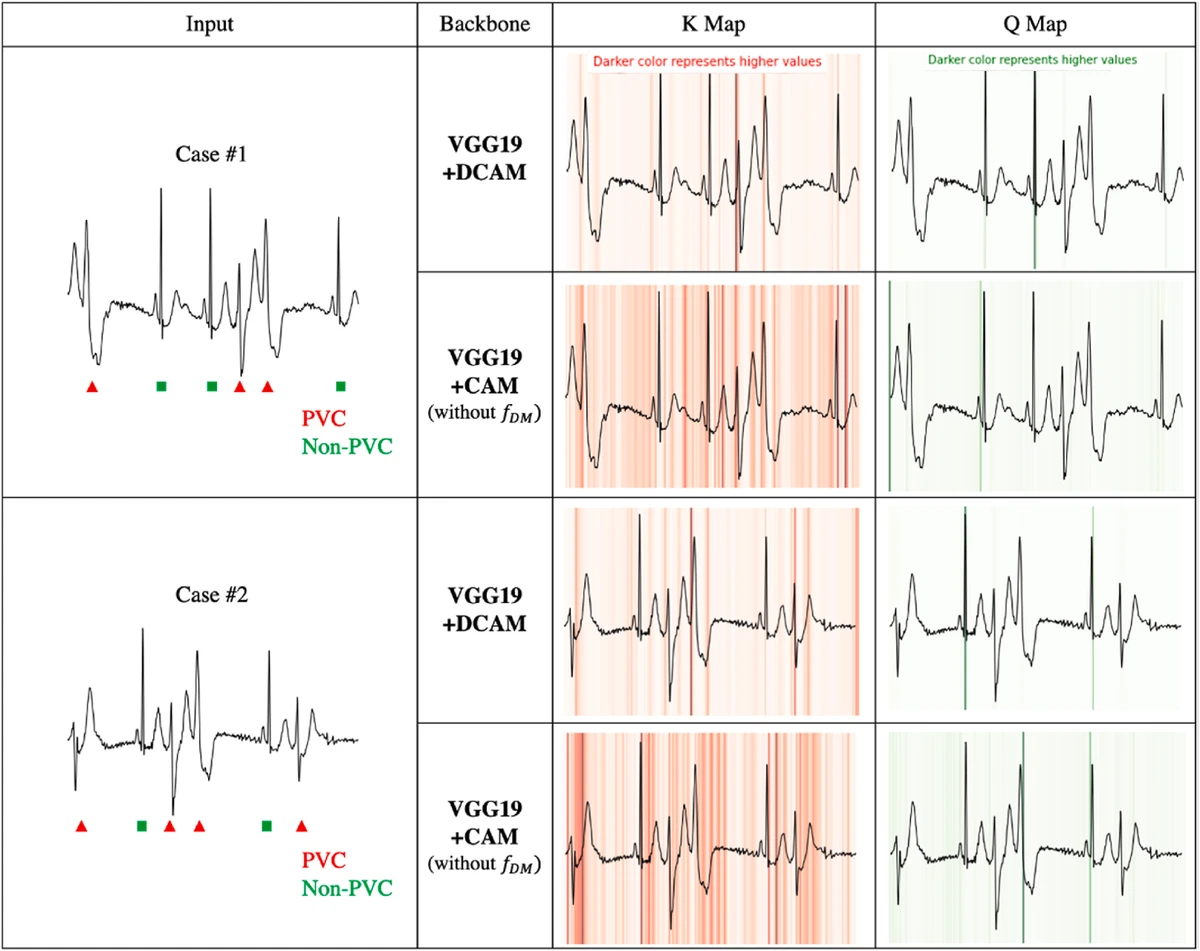
We analyze medical images, biosignals and electronic medical records (EMR) to identify digital biomarkers and study individual risk and treatment response. We also assess the reliability of measurements and predictions.
Retinal vessel segmentation and ECG analysis are foundations for precision medicine. We study how to connect these methods to early prediction and treatment decisions.
Translational medical AI
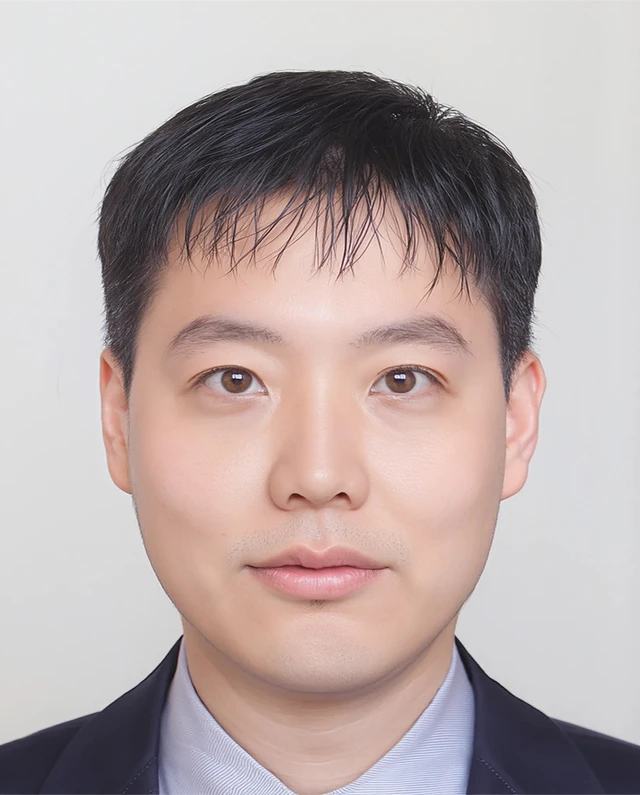
Assistant Professor · PhD
Department of Digital Medicine, Inha University College of Medicine · Deputy Director, AI Big Data Center, Inha University Hospital
Translational research brings advances in AI into clinical practice. His work connects medical imaging, biosignals, and multimodal AI with clinical workflows, surgical outcome prediction, and evidence-based treatment.
Connecting medical imaging, biosignals and multimodal AI with clinical workflows and evidence-based treatment.
2023PhD · Biomedical EngineeringUniversity of Ulsan
MS / BS · Mechanical Engineering, Hanyang University
2024–MICCAIArea/Program Chair
2025–Korean Society of AI in MedicineScientific Committee Member
People
Assistant Professor · PhD
Translational research brings advances in AI into clinical practice. His work connects medical imaging, biosignals, and multimodal AI with clinical workflows, surgical outcome prediction, and evidence-based treatment.
Medical Multi-Modal AI · Clinical AI Implementation