GreyNet
ItphyQuality checks at acquisition
Evaluates Grashey X-ray positioning and quality to request an immediate retake from the radiographer when needed, enabling quality checks before the patient leaves the imaging room.
Inha University · Digital Medicine
Translational
Medical Intelligence
We develop AI to support clinical decisions and workflows.
Translation
Coreline Soft · 2024
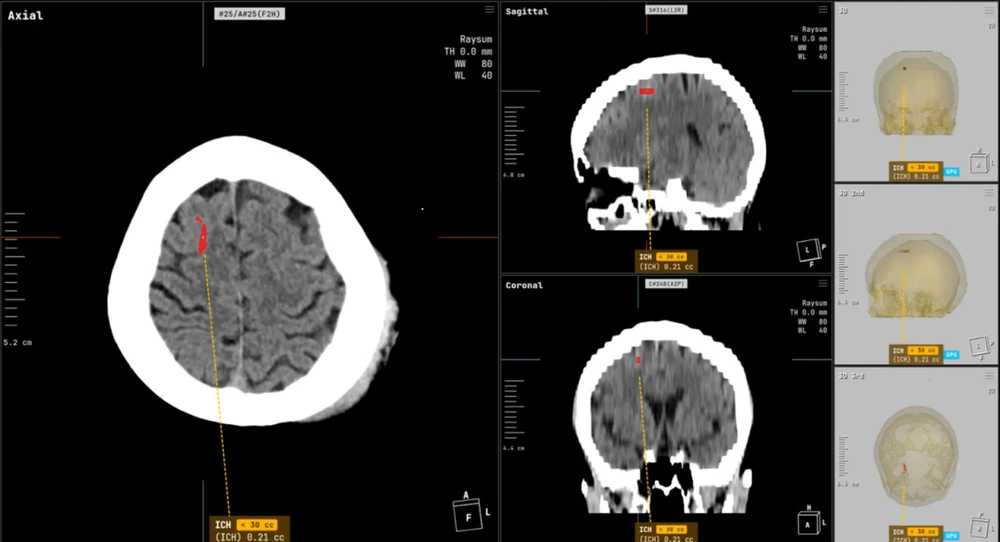
Image-based triage for time-critical hemorrhage care
Analyzes suspected hemorrhage and its volume in brain CT to prioritize review. Image-based triage supports faster clinical decisions when timely treatment matters.
Evaluates Grashey X-ray positioning and quality to request an immediate retake from the radiographer when needed, enabling quality checks before the patient leaves the imaging room.
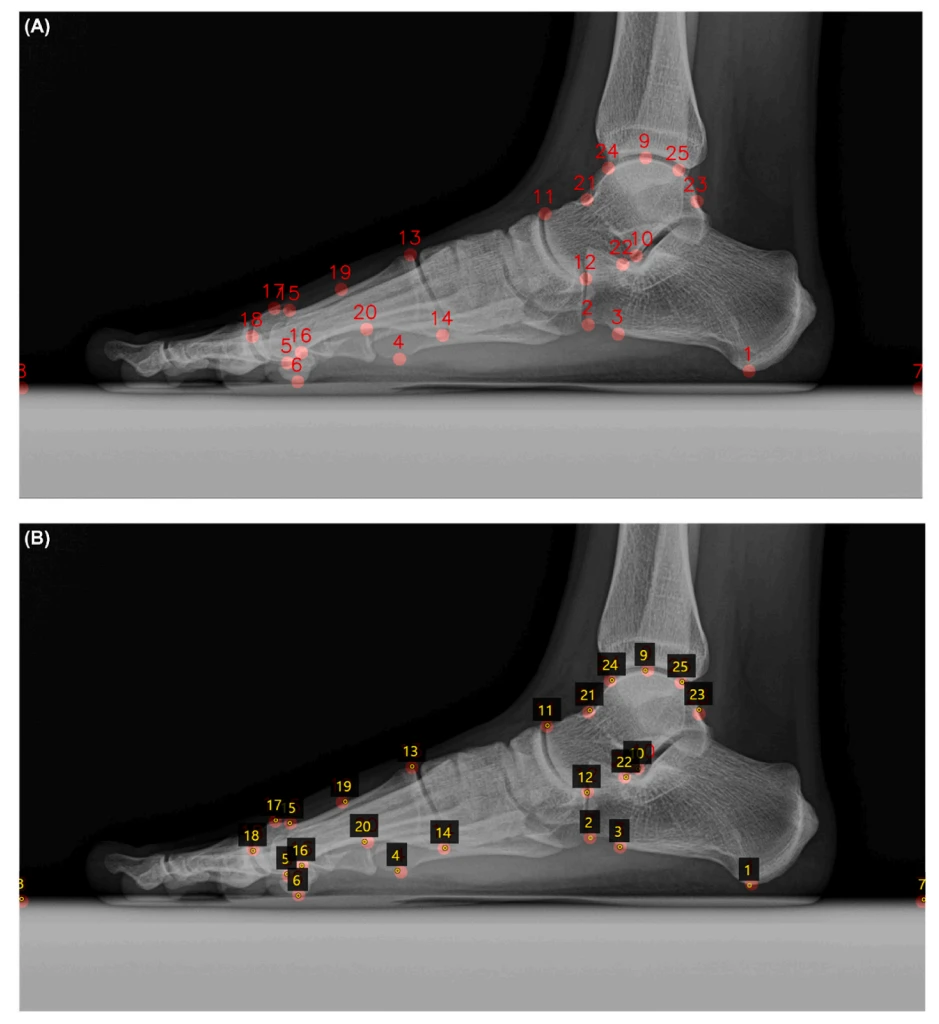
Detects landmarks on weight-bearing lateral foot X-rays. A comparative study found lower landmark errors than an orthopedic surgeon, supporting more consistent measurements for flatfoot assessment.
Read the comparative studyUses Bayesian U-Net uncertainty to improve retinal vessel segmentation while assessing image quality, bringing the analysis and its reliability into the same model.
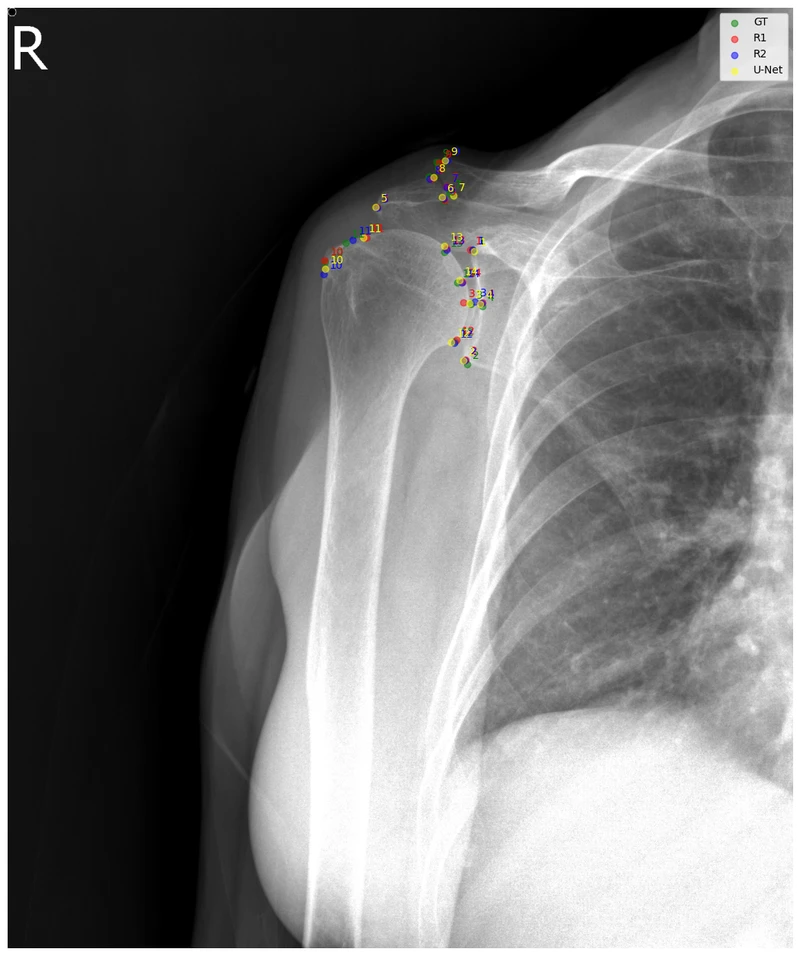
Image quality
GreyNet detects landmarks in Grashey X-rays to check positioning and quality, requesting an immediate retake from the radiographer when needed. Its purpose is to connect acquisition and quality assurance in one workflow.
Read the studyOur mission
We aim to reduce delays in imaging and interpretation, anticipate surgical outcomes, and support evidence-based treatment choices through clinical workflows, digital twins, and precision medicine.
Clinical questions
Work with clinicians to identify research questions in measurement, interpretation, and information management.
Data & methods
Understand images, text, and biosignals, then design AI methods suited to the problem.
Clinical evaluation
Examine performance and errors, and assess utility on new data and within clinical workflows.
Research
The right insight, at the right moment.
We connect AI outputs to the next clinical action: prioritizing suspected hemorrhage, checking image quality at acquisition, and automating repeated measurements so clinicians can focus on decisions that matter.
From analysis to action
Support clinical decisions and workflows
Research
Anticipate outcomes before surgery.
We study surgical digital twins that use preoperative images and clinical data to predict a patient’s postoperative state. Our goal is to compare treatment scenarios and build evidence for surgical planning and patient discussions.
Connect before and after surgery
Research toward planning and patient discussions
Research
Evidence for each patient’s treatment.
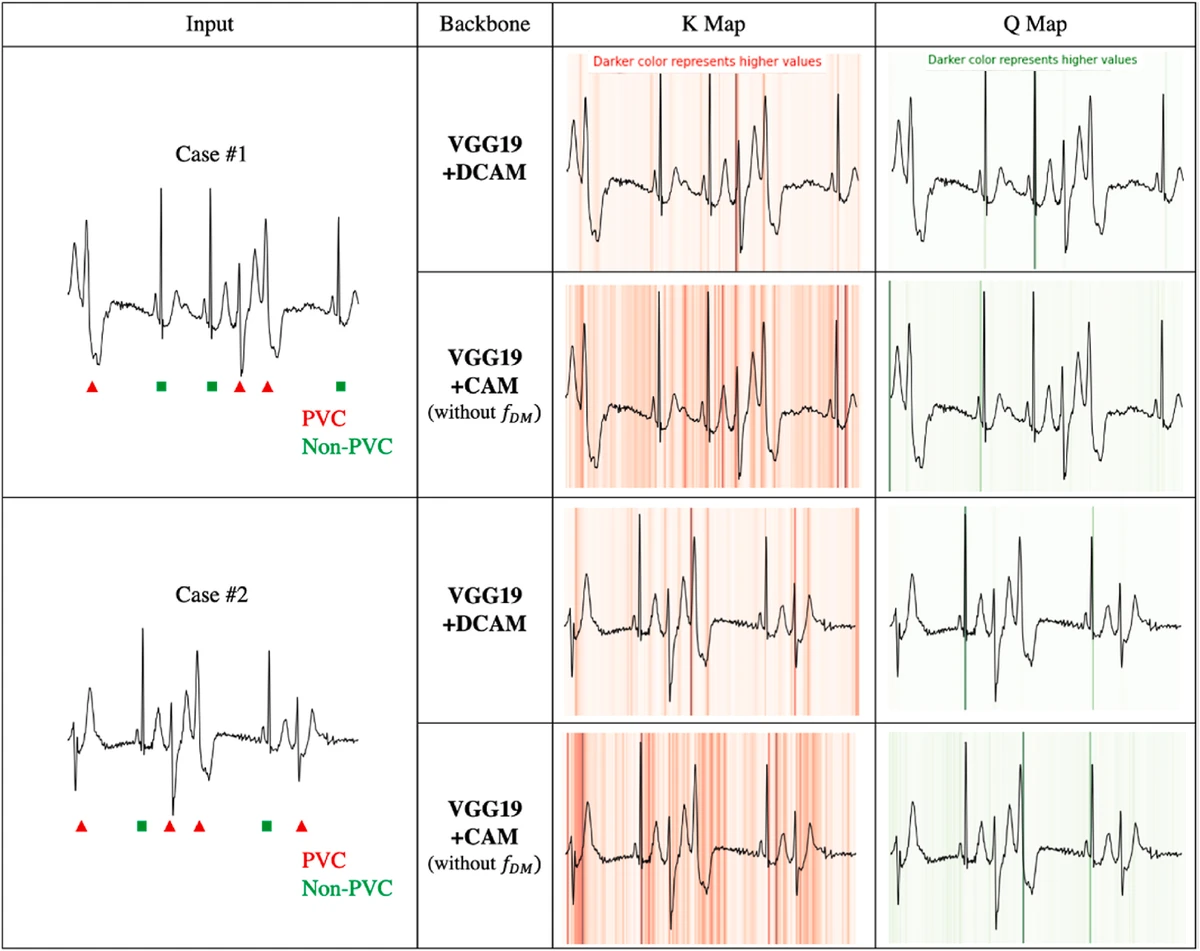
We combine medical images, biosignals, and clinical information to study individual differences and treatment response. Quantitative measurements and uncertainty estimates help build evidence for evaluating treatment choices and outcomes.
Selected publications
No publications match your search.
Patents
KR102854968B1Granted patent
KR102787021B1Granted patent
KR102289952B1Granted patent
KR101814977B1Granted patent
People
Assistant Professor · PhD
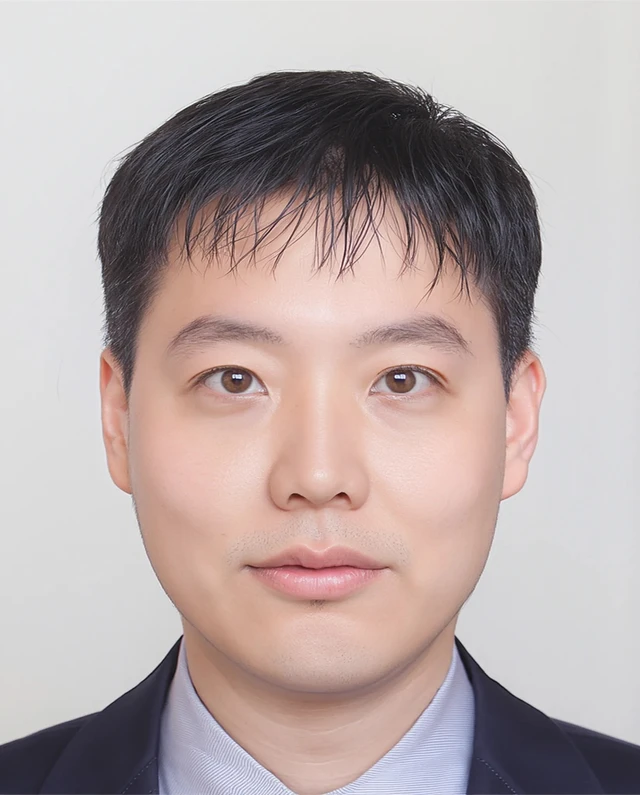
Translational research brings advances in AI into clinical practice. His work connects medical imaging, biosignals, and multimodal AI with clinical workflows, surgical outcome prediction, and evidence-based treatment.
Contact
For medical AI collaboration and research inquiries, please contact us at the work email below.